




Buying a semi trailer truck? Discover 2026 pricing benchmarks, key specs & financing tips to make a confident, cost-smart purchase decision.
Investing in a semi trailer truck ranks among the most significant capital decisions a fleet manager or owner-operator will ever make. The stakes are high, the variables are many, and the difference between a smart purchase and a costly mistake often comes down to preparation.
This comprehensive guide is designed for logistics professionals who need clarity. Whether you are evaluating your first tractor unit or expanding an established fleet, understanding what drives pricing, specifications, and long-term value is essential.
Throughout this resource, we break down real market benchmarks, technical configurations, and financing pathways. By the end, you will have the framework to make confident, informed buying decisions that align with your operational goals.
Understanding Semi Trailer Truck Pricing: An Industry Overview
The cost of a heavy-duty tractor unit varies enormously, and that variation confuses many first-time buyers. Two trucks that look nearly identical on a dealer lot can differ substantially in price based on factors that are not immediately visible.
Freight demand, emissions regulations, powertrain choices, and even geography all play roles. In today’s freight market, buyers who understand these dynamics gain a measurable advantage during negotiation.
Before diving into specific numbers, it helps to establish a shared vocabulary. Terminology in the trucking world often causes confusion, especially across international markets where terms differ.
What Defines a Semi Trailer Truck (Tractor Unit)?
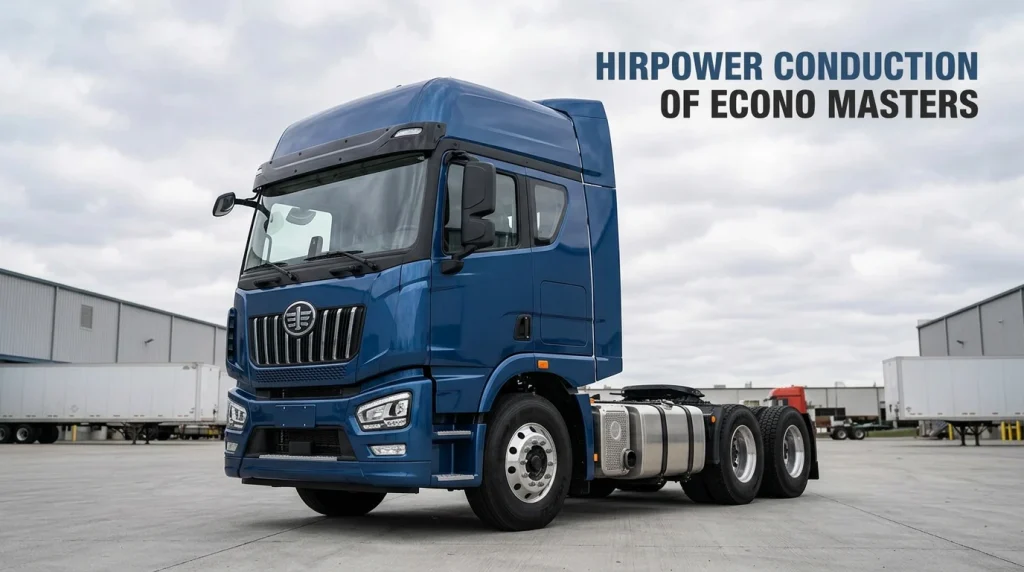
A semi trailer truck consists of two separate components: the powered tractor unit and the unpowered trailer it hauls. When we discuss pricing in this guide, we focus primarily on the tractor—also called the prime mover or truck tractor.
The tractor houses the engine, cab, and drive axles. It provides the pulling power, while the trailer carries the actual cargo. These are typically purchased and priced separately.
Various regions use different names for the same equipment. In North America, “semi truck tractor units” is common, while European and export markets often say “prime mover.” Regardless of terminology, the pricing principles remain consistent.
Understanding this distinction matters because a quoted price may include or exclude the trailer. Always confirm exactly what a seller includes before comparing offers. To explore a full range of tractor configurations, browse the complete truck category listings for reference.
Key Factors That Influence Semi Trailer Truck Price
Several core elements drive the final cost of any tractor unit. Recognizing each one helps buyers understand where their budget is being allocated.
First, engine specifications carry significant weight. A higher-horsepower diesel engine with greater displacement commands a premium over a smaller powerplant. Torque ratings and emissions technology also add cost.
Second, cab configuration matters enormously. A basic day cab costs far less than a full sleeper cab equipped with premium interior amenities. We will explore this in detail shortly.
- Engine and powertrain: Displacement, horsepower, and transmission type.
- Cab type: Day cab versus sleeper cab with living quarters.
- Axle configuration: 4×2, 6×2, or 6×4 setups affect both capability and price.
- Emissions compliance: Modern aftertreatment systems add cost but ensure legal operation.
- Technology packages: Advanced safety, telematics, and driver-assist features.
Additionally, brand reputation and build quality influence pricing. Premium manufacturers position their products at higher price points, justified by durability and resale strength.
Current Market Snapshot: New vs. Used Pricing Trends
The market in 2026 reflects a period of relative stabilization following years of supply-chain volatility. Production backlogs that plagued earlier years have largely normalized, improving availability.
New tractor units have seen price growth moderate compared to the sharp increases of prior years. Meanwhile, the used market remains active as buyers seek value amid rising acquisition costs.
Demand patterns continue shifting toward fuel-efficient and technology-equipped models. Buyers increasingly prioritize total operating cost over sticker price alone, a trend that shapes both new and secondary markets.
For fleet operators, this environment rewards careful timing and thorough comparison. A well-researched purchase today can lock in favorable value before the next market cycle.
New Semi Truck Cost Breakdown by Configuration
Once you understand the general drivers, the next step is mapping your budget to specific configurations. How a truck is spec’d determines where its price lands within the broad market range.
This section walks through the primary configuration choices. Each decision point affects both upfront cost and long-term operating economics.
Day Cab vs. Sleeper Cab Specifications and Price Differences
The choice between a day cab and a sleeper cab is fundamental. It reflects the nature of your operation and dramatically affects cost.
Day cabs contain no sleeping area. They suit regional, local, and drayage operations where drivers return home each night. Because they are simpler and lighter, they carry a lower price and often offer better maneuverability.
Sleeper cabs, by contrast, include a berth behind the driver’s seat. Long-haul operations require them, and sleeper cab specifications vary widely—from compact 48-inch cabs to spacious high-roof condos with kitchenettes and premium bedding.
Sleeper cabs typically add a substantial premium over comparable day cabs, but they also tend to retain resale value better in the long-haul segment where demand remains strong.
When choosing, weigh your route profile carefully. Buying a full sleeper for regional work wastes capital, while a day cab cannot support over-the-road operations. Matching the configuration to the application is the first rule of smart buying.
6×4 Tractor Head Configurations and Axle Options
Axle configuration describes how many wheels are driven versus how many simply support the load. The notation looks like a ratio: the first number is total wheel ends, the second is driven wheel ends.
A 4×2 configuration has two axles, with one driven. It is lighter and more fuel-efficient, ideal for lighter regional loads and lower gross weights.
A 6×4 configuration—the most common heavy-duty setup—features three axles with two driven. This 6×4 tractor head arrangement provides superior traction and load capacity, making it the standard for long-haul and heavy freight.
A 6×2 configuration splits the difference. It has three axles but only one driven, offering better fuel economy than 6×4 while sacrificing some traction. Fleets running predominantly on paved highways sometimes favor this option.
For heavy haul truck applications—hauling oversized or extremely heavy cargo—the 6×4 remains essential. The additional traction and durability justify its higher cost and slightly reduced efficiency.
Table: Price Range by Cab & Axle Configuration
| Configuration | Axle Setup | Typical Application | Relative Price Tier |
|---|---|---|---|
| Day Cab | 4×2 | Local/regional light freight | Entry level |
| Day Cab | 6×4 | Regional heavy freight, drayage | Lower-mid |
| Mid-Roof Sleeper | 6×4 | Regional and short over-the-road | Mid range |
| Full Raised-Roof Sleeper | 6×4 | Long-haul over-the-road | Upper-mid |
| Premium Condo Sleeper | 6×4 | Team and long-haul luxury | Premium |
These tiers illustrate the relative cost hierarchy. Actual figures depend on brand, engine, and options, but the ranking holds consistently across the market.
Diesel Engine Truck Models: Powertrain Cost Impact
The powertrain represents one of the largest cost variables in any tractor unit. Diesel engine truck models span a wide range of displacements and horsepower ratings.
Most heavy-duty highway tractors use engines between 12 and 16 liters of displacement. Horsepower typically ranges from around 400 to over 600, depending on the intended workload.
Higher horsepower costs more upfront and generally consumes more fuel. However, for heavy haul and mountainous routes, the additional power prevents strain and extends component life.
Transmission choice also affects price significantly. Automated manual transmissions (AMTs) have become the dominant choice, offering fuel savings and easier operation. Traditional manual gearboxes cost less initially but are increasingly rare in new spec sheets.
When selecting a powertrain, balance capability against efficiency. Over-spec’ing power you never use wastes money, while under-spec’ing creates reliability and driver-satisfaction problems. Our knowledge base articles offer deeper technical guidance on matching engines to routes.
Best Semi Truck Models & Specifications: Brand-by-Brand Comparison
With configuration fundamentals covered, we turn to the brands themselves. Each major manufacturer positions its products differently, with distinct strengths in reliability, comfort, efficiency, and resale.
This comparison helps you understand where each brand fits. No single manufacturer is best for every operation; the right choice depends on your priorities and route profile.
Freightliner and Peterbilt Price Positioning
Freightliner holds the largest market share in North America. Its flagship models emphasize fuel efficiency, aerodynamics, and a favorable balance of cost and capability. This value positioning makes Freightliner a default choice for many large fleets.
Peterbilt occupies a more premium space. Known for build quality, driver-focused design, and strong resale value, Peterbilt tractors command higher prices. Owner-operators frequently gravitate toward the brand for its comfort and prestige.
The Freightliner and Peterbilt price gap reflects these differing philosophies. Freightliner competes on total cost of operation, while Peterbilt competes on longevity, driver appeal, and resale retention.
Neither approach is universally superior. A high-mileage fleet minimizing cost per mile may favor Freightliner, while an owner-operator planning to keep and eventually resell a truck may find Peterbilt’s premium worthwhile.
Kenworth, Volvo, Mack & International Model Overview
Beyond the two headline brands, several other manufacturers deserve serious consideration.
Kenworth shares much engineering with Peterbilt under the same parent company. It similarly targets the premium segment with strong build quality and excellent resale value, appealing to owner-operators and quality-focused fleets.
Volvo emphasizes safety technology, driver comfort, and integrated powertrains. Its proprietary engine and transmission combinations deliver refined efficiency, and its safety suite is among the industry’s most advanced.
Mack is renowned for durability in demanding applications like construction, refuse, and heavy haul. When ruggedness matters more than highway refinement, Mack earns its reputation.
International has repositioned itself with modern, aerodynamic, and technology-rich models. It competes aggressively on value and increasingly on advanced integrated powertrains.
Table: New Semi Truck Model Comparison (Price, HP, GVWR, Fuel Economy)
| Brand | Segment Positioning | Typical HP Range | Common GVWR Class | Fuel Economy Emphasis |
|---|---|---|---|---|
| Freightliner | Value / efficiency leader | 400–505 | Class 8 | Very high |
| Peterbilt | Premium / resale | 430–565 | Class 8 | High |
| Kenworth | Premium / durability | 430–565 | Class 8 | High |
| Volvo | Safety / integrated tech | 405–500 | Class 8 | Very high |
| Mack | Heavy-duty / vocational | 405–605 | Class 8 | Moderate |
| International | Modern value / tech | 400–515 | Class 8 | High |
This overview highlights each brand’s core identity. When conducting your own semi truck cost comparison, weigh these characteristics against your specific operational demands.
Prime Mover Truck Specifications: What to Prioritize
With so many options, deciding what to prioritize can feel overwhelming. Focus first on the specs that most directly affect your bottom line.
Engine and drivetrain matching tops the list. Choose a powertrain sized correctly for your loads and terrain. This single decision influences fuel cost, reliability, and driver satisfaction more than any other.
Aerodynamics come next for highway-focused operations. Streamlined cabs, fairings, and roof deflectors reduce drag and cut fuel consumption over hundreds of thousands of miles.
Consider these priorities when evaluating prime mover truck specifications:
- Powertrain fit: Right-sized engine and appropriate axle ratio for your loads.
- Aerodynamics: Critical for long-haul fuel economy.
- Weight: Lighter tractors allow heavier payloads within legal limits.
- Driver comfort: Directly impacts retention in a tight labor market.
- Serviceability: Parts availability and dealer network coverage.
By prioritizing these factors, you avoid paying for features that add cost without operational return. Efficiency in specification translates directly into total cost efficiency.
Regional & International Market Variations
Pricing and preferences differ dramatically across global markets. Understanding these variations matters for buyers sourcing internationally or exporting.
In North America, conventional tractors with hoods dominate. Long-haul distances favor spacious sleeper cabs and powerful engines. The market emphasizes fuel economy across vast highway networks.
In Europe, cab-over designs prevail due to length regulations. These trucks maximize cargo space within stricter overall-length limits, and configurations lean toward efficiency in denser road networks.
Export markets in developing regions often prioritize durability and simplicity over advanced technology. Rugged 6×4 tractor heads capable of handling poor roads and heavy loads command strong demand.
These differences mean a semi trailer truck price comparison must account for regional context. A model priced competitively in one market may cost more elsewhere due to shipping, tariffs, and specification changes. Learn how our global sourcing works by visiting our company profile.
Used Semi Trailer Truck Prices: Value Assessment Guide
The secondary market represents a massive opportunity for value-conscious buyers. Used semi trailer truck prices offer entry points that new equipment simply cannot match.
However, buying used demands more diligence. Without careful evaluation, a bargain can quickly become a liability. This section equips you to assess pre-owned value confidently.
Understanding Used Semi Truck Values & Depreciation Curves
Depreciation is the invisible cost of ownership, and it follows predictable patterns. A new tractor loses the largest share of its value in the first few years.
Typically, a Class 8 tractor sheds a substantial portion of its value within the first three years. After that, the depreciation curve flattens, meaning older trucks lose value more slowly.
This pattern creates a strategic sweet spot. Buying a three-to-five-year-old tractor lets someone else absorb the steepest depreciation while the truck retains plenty of useful life.
Mileage is the other major driver of used semi truck values. Highway miles are gentler than stop-and-go city miles, so a high-mileage highway truck may be in better condition than a lower-mileage vocational unit. Always evaluate mileage in context.
Inspection Checklist Before Buying Pre-Owned
A thorough inspection separates smart used purchases from expensive mistakes. Never skip this step, and when possible, involve a qualified independent mechanic.
Work through the following checklist systematically before committing to any pre-owned tractor:
- Engine condition: Check for leaks, unusual noise, and review engine hours alongside mileage.
- Drivetrain wear: Inspect the transmission, clutch, driveline, and rear axles for wear.
- Frame integrity: Look for rust, cracks, or evidence of prior collision repair.
- Maintenance records: Complete service history is one of the strongest value indicators.
- Aftertreatment system: Verify the emissions system functions properly, as repairs here are costly.
- Tires and brakes: Assess remaining life; these represent immediate replacement costs.
- Electronics and cab: Confirm all gauges, controls, and comfort features operate correctly.
Document everything you find. A detailed inspection report also strengthens your negotiating position on price. For personalized inspection support, reach out through our customer service team.
Table: Used Semi Truck Price by Age & Mileage Bracket
| Truck Age | Typical Mileage Range | Condition Expectation | Relative Value Tier |
|---|---|---|---|
| 3 years | 300,000–450,000 | Excellent, warranty may remain | Highest used tier |
| 5 years | 500,000–700,000 | Good, first major service due | Strong value |
| 7 years | 750,000–950,000 | Fair, budget for reconditioning | Value buyer tier |
| 10 years | 1,000,000+ | Variable, inspection critical | Entry / budget tier |
Use this framework as a starting reference. Condition, brand, and maintenance history can shift any individual truck’s value significantly within its bracket.
New vs. Used: Total Cost of Ownership Analysis
Sticker price tells only part of the story. Total cost of ownership (TCO) captures the full financial picture over a truck’s working life.
New trucks carry higher acquisition costs but offer warranty coverage, predictable maintenance, and maximum uptime. They also feature the latest fuel-saving technology, reducing operating expense.
Used trucks lower the entry cost dramatically. However, buyers must budget for more frequent repairs, potential downtime, and the absence of comprehensive warranty protection.
Consider this comparison when weighing the two paths:
| Factor | New Tractor | Used Tractor |
|---|---|---|
| Acquisition cost | Higher | Lower |
| Warranty coverage | Comprehensive | Limited or none |
| Maintenance expense | Lower initially | Higher, less predictable |
| Downtime risk | Minimal | Elevated |
| Fuel efficiency | Latest technology | Depends on age |
| Depreciation exposure | Steep early loss | Already absorbed |
Ultimately, the right choice depends on cash flow, risk tolerance, and operational demands. Well-capitalized fleets often favor new equipment, while owner-operators frequently find used trucks the smarter entry point.
Financing Your Semi Trailer Truck Purchase
Few buyers pay cash for a heavy tractor. Financing is the reality for most owner-operators and small fleets, making it essential to understand your options.
The structure you choose affects monthly cash flow, tax treatment, and ownership outcomes. Choosing wisely can free up capital and protect your business from strain.
Tractor Trailer Financing Options Explained
Several distinct financing structures exist, each with advantages and drawbacks. Understanding them helps you match the right approach to your situation.
Equipment loans are the most straightforward path. You borrow to purchase the truck, make fixed payments, and own the asset outright once the loan is repaid. This builds equity but usually requires a larger down payment.
Leases let you use the truck for a set term with lower monthly payments. At lease end, you return the truck or purchase it. Leasing preserves cash but does not build equity during the term.
Lease-to-own blends both approaches. Payments apply toward eventual ownership, making it popular among owner-operators building their first business. It offers a path to ownership with manageable entry requirements.
Dealer financing bundles the purchase and financing in one place. Convenience is the main benefit, though terms should still be compared carefully against independent lenders.
Down Payments, Interest Rates & Credit Considerations
Your creditworthiness significantly shapes the terms you receive. Lenders assess personal and business credit, time in operation, and financial history.
Down payment requirements typically range from modest to substantial depending on the lender and your credit profile. A larger down payment reduces monthly obligations and often unlocks better rates.
The interest rate environment in 2026 has moderated compared to recent highs, though rates remain a meaningful factor in total cost. Even small rate differences compound significantly over a multi-year term.
First-time buyers with limited credit should not be discouraged. Specialized commercial lenders and lease-to-own programs exist specifically to help newcomers enter the industry. Building a relationship with a trusted equipment provider can also improve access.
Table: Financing Scenario Comparison (Loan vs. Lease)
| Feature | Equipment Loan | Standard Lease | Lease-to-Own |
|---|---|---|---|
| Monthly payment | Higher | Lower | Moderate |
| Down payment | Larger | Smaller | Moderate |
| Builds equity | Yes | No | Yes, gradually |
| Ownership at end | Full ownership | Return or buy out | Ownership achieved |
| Best for | Established buyers | Cash-flow focus | First-time owners |
Review each structure against your goals. A buyer prioritizing long-term ownership favors loans, while one prioritizing low monthly cost may prefer leasing.
Hidden Costs: Insurance, Registration & Maintenance Reserves
The purchase price is only the beginning. Many buyers underestimate the recurring costs of ownership, which can strain budgets if unplanned.
Commercial truck insurance represents a major ongoing expense. Premiums vary by driving record, cargo type, operating radius, and coverage levels.
Registration, permits, and taxes add further recurring costs. These vary by jurisdiction and by the truck’s weight and usage classification.
Perhaps most importantly, wise operators maintain a maintenance reserve. Setting aside funds for tires, brakes, and unexpected repairs prevents a single breakdown from becoming a financial crisis. Treat this reserve as non-negotiable in your budget.
Smart Buying Tips: Getting the Best Value
Knowledge only creates value when applied. These expert recommendations help you translate research into a stronger purchase.
Each tip reflects lessons learned across countless real-world transactions. Applying them consistently improves both your immediate deal and your long-term outcome.
Matching Truck Specifications to Your Application
The single most important buying principle is application fit. The best truck is not the most powerful or the most affordable—it is the one matched precisely to your work.
For regional hauling with lighter loads and shorter routes, a day cab with a moderate powertrain often suffices. Over-spec’ing here wastes capital and fuel.
For long-haul over-the-road operations, prioritize sleeper comfort, aerodynamics, and fuel efficiency. Drivers spend days in these trucks, so comfort directly affects retention.
For heavy haul truck applications, robustness takes precedence. Choose a 6×4 configuration with ample horsepower and torque, plus a heavy-duty drivetrain built for extreme loads. Explore application-matched options across our full vehicle categories.
Timing Your Purchase: Market & Seasonal Factors
When you buy can matter almost as much as what you buy. Market cycles and seasonal patterns create windows of opportunity.
Model-year transitions often bring incentives as dealers clear outgoing inventory. Buying an outgoing model year can yield meaningful savings on essentially current equipment.
Freight market conditions also influence pricing. During softer freight periods, demand for tractors eases and sellers become more flexible. Attentive buyers capitalize on these cycles.
End-of-quarter and end-of-year periods sometimes align with sales targets, making dealers more willing to negotiate. Combining favorable timing with thorough preparation maximizes your leverage.
Negotiation Strategies with Dealers & Sellers
Effective negotiation begins long before you sit down with a seller. Preparation is your strongest tool.
Arrive informed. Knowing comparable market values and having competing quotes gives you credibility and confidence at the table.
Consider these tactical approaches when negotiating your purchase:
- Negotiate the full package: Look beyond price to warranty terms, service credits, and delivery.
- Separate trade-in from purchase: Evaluate each transaction independently for clarity.
- Be willing to walk away: Patience is leverage; the right deal will come.
- Get everything in writing: Verbal promises mean nothing without documentation.
- Leverage financing options: Sometimes flexibility on terms beats a lower sticker.
A respectful, well-prepared negotiator earns better outcomes than an aggressive but uninformed one. Build rapport while protecting your interests.
Evaluating Long-Term Resale Value
Smart buyers think about the exit at the time of purchase. Resale value is a critical component of total cost of ownership.
Premium brands like Peterbilt and Kenworth historically retain value well, rewarding owners who plan to resell. This resale strength can offset their higher acquisition cost.
Beyond brand, meticulous maintenance preserves value more than almost anything else. Complete service records and documented care make a used truck far more attractive to future buyers.
Popular, mainstream specifications also resell more easily than unusual configurations. A widely demanded engine, transmission, and axle combination broadens your future buyer pool and protects your investment.
Frequently Asked Questions (FAQ)
Below are direct answers to the questions buyers most commonly ask when evaluating a semi trailer truck purchase.
How much does a semi truck cost on average?
Semi truck cost varies widely based on whether the tractor is new or used, along with its configuration and brand. New Class 8 tractors sit in a broad range driven by cab type, engine, and technology, while used units offer significant savings depending on age and mileage. The best approach is to define your application first, then request tailored quotes to see where your specific spec lands.
What is the price difference between Freightliner and Peterbilt?
Peterbilt generally positions above Freightliner in price, reflecting its premium build quality, driver-focused design, and stronger resale retention. Freightliner competes on value and total cost of operation, making it a favorite of large efficiency-driven fleets. The right choice depends on whether you prioritize lower operating cost or long-term resale and driver appeal.
Is it better to buy new or used for an owner-operator?
For many owner-operators, a well-inspected used tractor offers the smartest entry point because it avoids the steep early depreciation of a new truck. However, new trucks provide warranty protection, maximum uptime, and the latest fuel-saving technology. The decision hinges on your cash flow, risk tolerance, and how much downtime your operation can absorb.
What are the best financing options for a first-time buyer?
First-time buyers often benefit most from lease-to-own programs, which offer a manageable path to ownership without requiring extensive established credit. Specialized commercial lenders also cater to newcomers with flexible terms. Compare down payment requirements, monthly obligations, and total cost carefully before committing, and don’t hesitate to seek guidance from an experienced equipment provider.
Which semi truck models hold their value best?
Peterbilt and Kenworth consistently rank among the strongest for resale value, thanks to their premium reputation and durable construction. Beyond brand, trucks with popular, mainstream specifications and complete maintenance records retain value best. Consistent care and documentation are just as important as the badge on the hood.
Conclusion & Next Steps
Purchasing a semi trailer truck is a substantial commitment, but it need not be intimidating. With the right framework, you can navigate pricing, specifications, and financing with genuine confidence.
The goal throughout this guide has been to replace guesswork with clarity. Armed with these insights, you are prepared to evaluate options critically and negotiate from a position of strength.
Key Takeaways for Confident Purchasing
As you move forward, keep these core principles front of mind:
- Match specs to your application—the right truck fits your work, not just your budget.
- Understand what drives price—engine, cab, axle configuration, and technology all matter.
- Consider total cost of ownership—sticker price is only the beginning.
- Inspect used trucks thoroughly—diligence prevents costly mistakes.
- Choose financing strategically—align the structure with your cash flow and goals.
- Protect resale value—brand choice and maintenance discipline pay off at exit.
Every successful purchase begins with informed preparation. The time you invest in research directly protects your capital and your business.
Call to Action: Request a Custom Quote or Consultation
Ready to take the next step toward your ideal tractor unit? Our team is here to help you translate this knowledge into the right truck for your operation.
Explore our full inventory across every configuration through the complete truck catalog, or review real-world success stories in our cooperative case studies. When you’re ready to talk specifics, our specialists can guide you toward the best fit.
For a personalized consultation, a custom spec comparison, or financing guidance, contact our team directly. You can also learn more about our commitment to quality and service on our homepage. Make your next semi trailer truck investment with confidence—reach out today.